
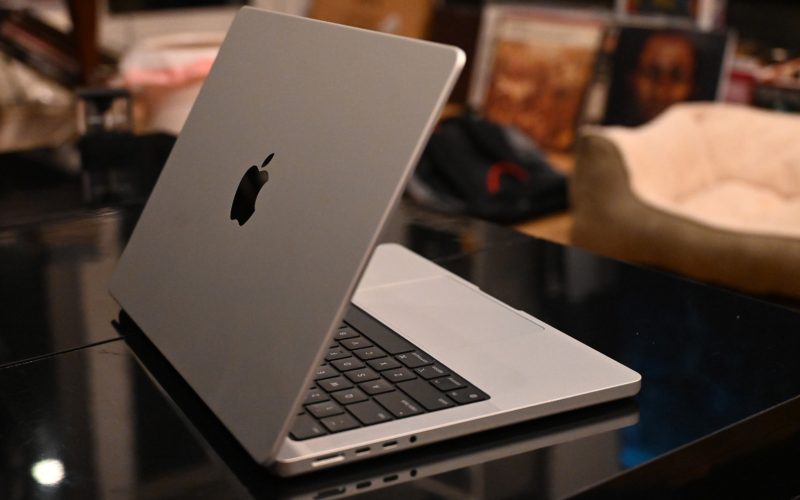
For many buyers, a refurbished macbook seems like the perfect middle ground between affordability and premium quality. Apple laptops have a reputation for lasting longer than many competing devices, so it is easy to see why people look at lower-cost models or older machines as a smart financial decision. The challenge, however, is deciding where the balance lies between genuine value and cutting too many corners.
In recent years, cheaper Apple laptops and alternative budget-focused models have attracted attention from students, remote workers, and casual users who want the Apple experience without paying flagship prices. At first glance, the idea sounds sensible. Why spend heavily on the newest machine when an older model appears capable of handling everyday tasks for far less money?
The answer often depends on how the laptop will actually be used over the next several years.
A lower upfront cost can sometimes hide compromises that only become obvious later. Older MacBooks may still look modern and feel premium, but ageing hardware eventually affects performance, battery life, software compatibility, and overall reliability. Tasks that once felt effortless can gradually become frustrating as newer applications demand more from older processors and memory configurations.
This is where buyers often find themselves comparing newer budget-oriented Apple machines with significantly older high-spec models. On paper, an older premium device may appear more powerful, offering larger storage capacities or upgraded components at a similar price point. Yet raw specifications do not always tell the full story. Efficiency improvements, battery optimisation, and long-term software support can dramatically affect day-to-day usability.
One of the biggest considerations is future compatibility. Apple regularly updates macOS, and eventually older machines lose support for the latest versions. Once that happens, users may encounter security concerns, software limitations, or applications that no longer function correctly. A laptop that initially seemed like a bargain can therefore end up needing replacement much sooner than expected.
Battery health is another major factor that buyers frequently underestimate. A machine that has already been used heavily for years may technically still work well, but degraded battery performance can quickly impact portability and convenience. Replacing batteries professionally adds extra cost that many people fail to account for when comparing prices.
That does not mean older Apple laptops are automatically poor choices. Far from it. Many continue performing extremely well for everyday browsing, office work, media consumption, and light creative tasks. For users with modest requirements, purchasing an older device can still represent excellent value. The problem arises when buyers expect long-term performance similar to much newer hardware simply because both devices carry the Apple logo.
Interestingly, the popularity of budget Apple devices reflects a wider shift in consumer habits. More people are becoming comfortable buying refurbished technology rather than insisting on factory-new products. Rising prices across the electronics market have encouraged buyers to think more carefully about practical value instead of simply chasing the newest release every year.
Companies such as Tech.Trade have helped fuel interest in refurbished Apple products by highlighting the differences between older MacBooks and newer entry-level alternatives. For many buyers, the real question is no longer whether refurbished devices are worthwhile, but which generation offers the strongest balance between price, lifespan, and performance.
In the end, a cheaper laptop only becomes a false economy if it cannot realistically meet a user’s needs for long enough to justify the purchase. Spending slightly more upfront on a newer or better-supported machine can sometimes save money in the long run by delaying the need for another upgrade. Equally, overspending on unnecessary power makes little sense for someone who mainly uses their laptop for email, streaming, and basic work tasks.
The smartest purchase is rarely the cheapest or the most expensive option. It is usually the one that best matches how the device will actually be used over time.

Frank Partnoy is a tech blogger who loves to share his thoughts about the latest gadgets and technology. He loves everything from smartphones, laptops, tablets and more!